

 sprout
 Moved to blog
I published this page as a blog post in the TurtleNet series! Click here to view the latest version.
A brief history of TurtleNet
Pre-history
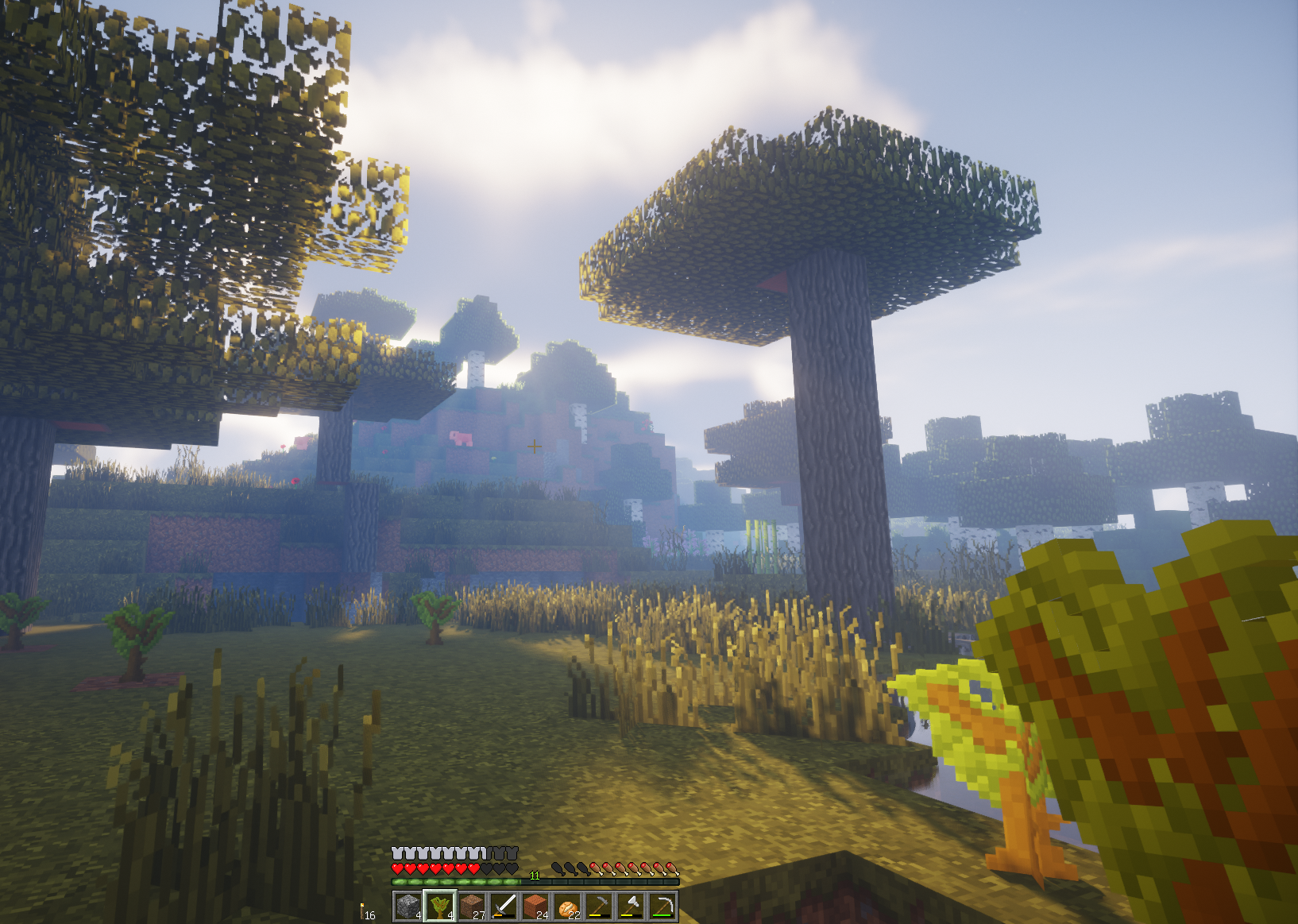
My experience with homelabs, like so many others, began with Minecraft.
In the beginning of high school, my friends and I really wanted to make a server of our own. We’d been using Aternos through middle school, but it was fairly limited and unreliable, so I decided to turn my PC into one. It looked something like this:
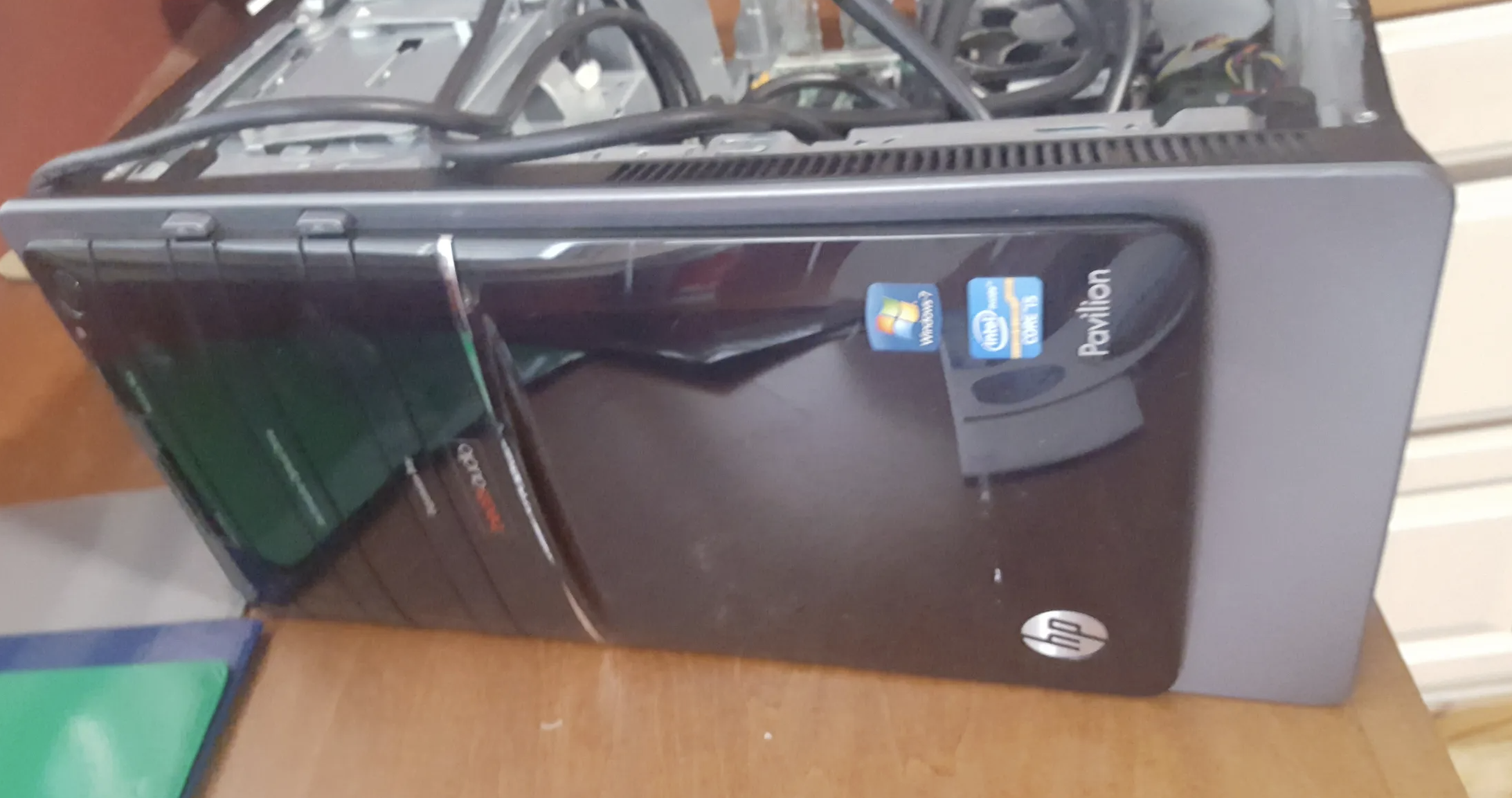
Unfortunately, my desktop was really underpowered. It was hobbling along on a $25 Intel Celeron CPU and crashed fairly often. “You should try linux!” seemed to be the prevailing advice on the various forums online. So I ended up installing Elementary OS and falling into a very, very deep rabbit hole. Little did I know at the time, but this would eventually turn into my career today! Throughout the rest of high school, I played around with my desktop setup a lot. It doubled as a server on-and-off, whenever there was a game-server-related need for it. Most of my earlier days messing with computer systems involved dotfiles and otherwise making my desktop interface prettier/more functional; the server aspect of it was mostly an afterthought.
My very first real “server” ran on an Intel Celeron G1840 and an NVIDIA GTX 650Ti graphics card, with 8GB of RAM and a 256GB Samsung SSD. It was kind of loud (and also in my bedroom), so it only ran when needed and I turned it off at night. If I was away and needed to mess with it, I triggered a wake-on-LAN signal routed through some clever port-forwarding (which only worked 50% of the time), and ran a Windows Remote Desktop connection into it.
Season One
After I joined the Open Computing Facility and had the opportunity to mess with real rack-mount servers hosting real services that people actually used, I felt inspired to build a more respectable self-hosting setup of my own.
At the time I had just built a new computer (with a Ryxen 7 3700x, 64GB of RAM and a GTX 1080)— but realized that:
- I was rarely around to use it.
- I often had a need for the compute power on-the-go (for school projects, extra cloud storage, etc.)
I made the decision to retire my computer as a desktop, wiped the drive, and installed Proxmox.
As of 2023, a ~year after starting the conversion, this is what my server architecture looked like:
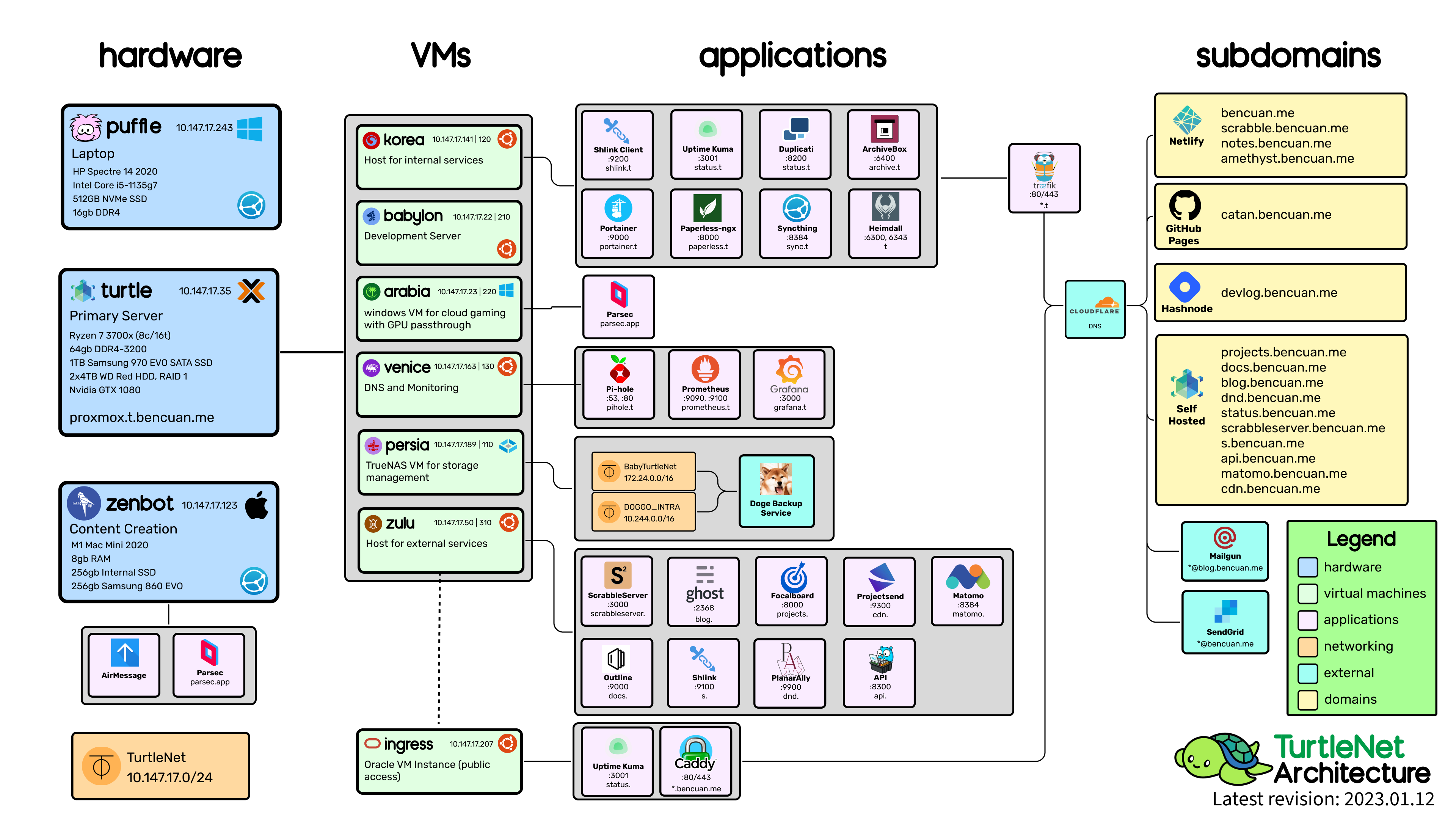
I wrote a series about the process I went through to make this on Hashnode. This was the second major piece of writing I’ve ever created; after notes.bencuan.me started taking off I realized that people would also really appreciate hearing about TurtleNet! To this day I still run into folks who tell me how much it’s helped them create their own homelabs 
aside: why is it called TurtleNet?
- I like turtles.
- I now name all of my physical machines after animals.
- I made an extremely cringe webtoon as an unreasonably high-effort method of realizing that turtles have shells, and so does your computer.